Schedule a Consultation
Contact Us
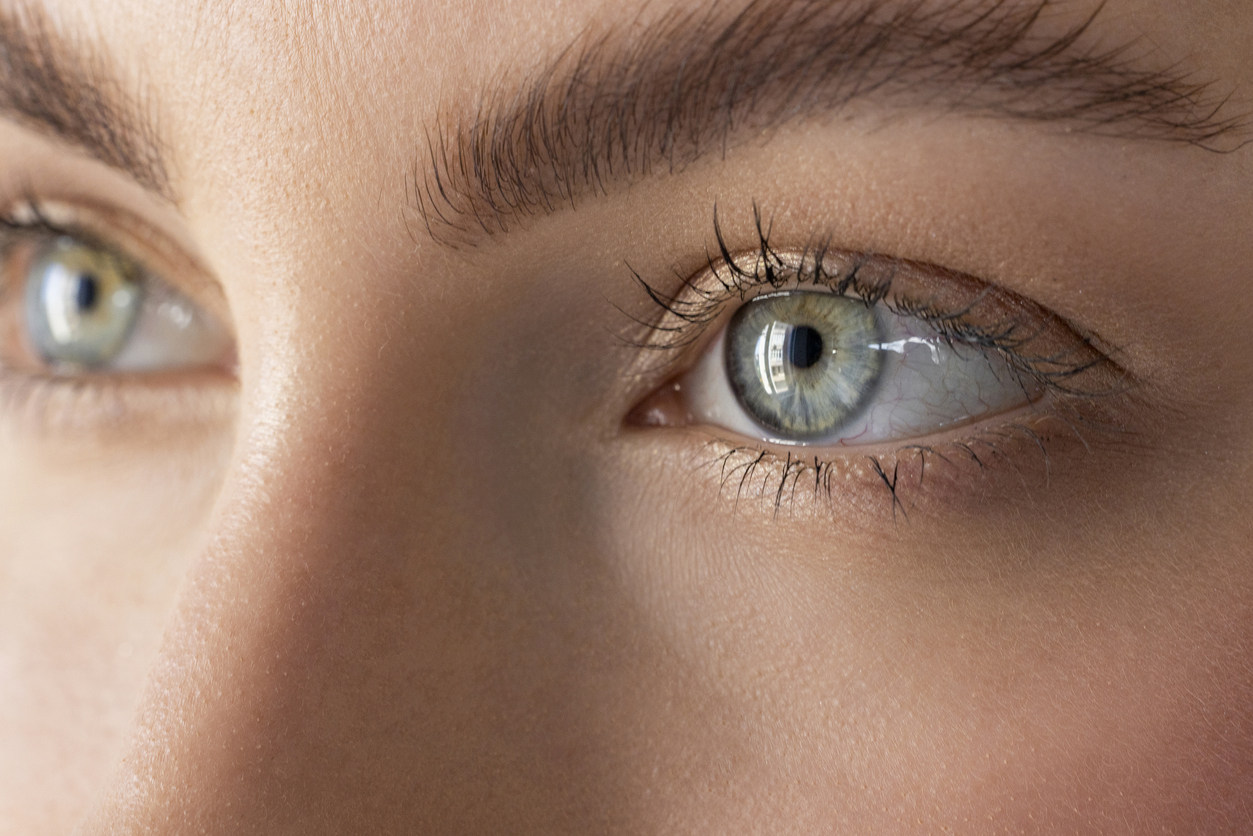
Under-eye bags are one of the most common reasons patients ask about Botox or fillers, but neither treatment can remove them. True under-eye bags come from fat pushing forward and skin losing elasticity, and lower eyelid surgery (blepharoplasty) is the treatment that corrects both. For anyone weighing eyelid surgery in Miami, understanding that difference can save months of injections that never deliver the result they want.
Board-certified plastic surgeon Dr. Nirmal Nathan trained in plastic and reconstructive surgery at UCSF, where he served as Chief Resident, then completed fellowship training that included adult facial cosmetic surgery such as blepharoplasty. Because The Nathan Clinic offers both surgical and non-surgical eye rejuvenation, his recommendations aren't tied to one approach. In this blog, Dr. Nathan explains what injectables can and can't do for the under-eye area, how long each option lasts, and how to tell which one fits your concerns.
Blepharoplasty removes or repositions the tissue that forms under-eye bags, while Botox only relaxes muscles. That difference in mechanism is the whole story. Botox and other neuromodulators block the nerve signal that tells a muscle to contract, which softens dynamic wrinkles like crow's feet. They have no effect on fat, skin, or the structures that hold the lower eyelid in place.
Under-eye bags form for reasons a muscle relaxer can't reach. According to the American Society of Plastic Surgeons, eyelid surgery treats puffiness from fatty deposits, bags under the eyes, and excess skin and fine wrinkles of the lower lid. Common causes of under-eye bags include:
Lower blepharoplasty addresses these causes directly. Dr. Nathan can remove or reposition excess fat, often through an incision hidden inside the lower lid, and tighten or trim lax skin when needed. Injectables can't take fat away, so the bulge stays.
Non-surgical treatments improve the skin and surface around the eyes, while a surgical eyelid lift changes the structure beneath it. Each option has a place. The comparison below shows what each treatment offered at The Nathan Clinic corrects, what it can't correct, and who tends to benefit most.
| Treatment | What it corrects | What it can't correct | Typical downtime | Ideal candidate |
|---|---|---|---|---|
| Neuromodulators (Botox, Dysport) | Crow's feet and other expression lines | Fat bulges, loose skin, hollows | Little to none | Dynamic wrinkles with no bags |
| Dermal fillers | Hollows and the tear trough shadow | Fat bulges, excess skin | Minimal; possible bruising or swelling | Mild hollowing without puffiness |
| Laser resurfacing | Fine lines, texture, mild crepiness | Fat bulges, significant loose skin | Varies with laser strength | Surface aging and sun damage |
| Lower blepharoplasty | Fat bulges, excess skin, lid-cheek contour | Dynamic wrinkles, skin texture | Most patients presentable in 10–14 days | Visible bags or loose lower lid skin |
Filler placement deserves a closer look. In the right patient, dermal fillers can blend the hollow beneath a bag and soften the shadow. When a true fat bulge is present, though, adding volume around it can make the area look puffier. Recovery figures for surgery come from the ASPS, which also notes that final healing can take a few months.
Blepharoplasty results last years, while Botox lasts a matter of months. According to Cleveland Clinic, upper eyelid surgery can last from five to seven years to a lifetime, and lower eyelid surgery rarely needs to be repeated. Removed fat doesn't return, though skin continues to age naturally.
Neuromodulators wear off on a predictable schedule. The Aesthetic Society reports that botulinum toxin effects last three to six months, with most patients seeing benefits for about four. Keeping results means returning for treatment several times a year, and that commitment adds up. For crow's feet, that schedule is worthwhile. For bags, repeat injections never touch the underlying cause.
Surgery can also offer functional benefits when the upper lids are involved. In one peer-reviewed study of nine patients with sagging upper lid skin, upper blepharoplasty improved the upper field of vision by an average of 4.99-fold. Injectables can't produce that kind of structural change.
A non-surgical option makes sense when the concern is on the surface rather than in the structure of the lid. Dr. Nathan may suggest starting with Botox, fillers, or laser treatment for patients who:
Many patients ultimately use both. Surgery corrects the bags, and periodic Botox keeps expression lines soft around the refreshed lids.
The right treatment depends on what is causing the change under your eyes, and a consultation is the most reliable way to find out. A quick mirror check can offer clues. If the area looks puffy and the puffiness is still there when you relax your face, fat is likely involved. If lines appear mainly when you smile or squint, muscle movement is the bigger factor.
During a consultation at his Miami or Miramar office, Dr. Nathan evaluates the lower lid fat, skin quality, lid support, and the transition into the cheek. He also considers medical history and how much downtime fits your schedule. From there, he may recommend eyelid surgery, a non-surgical plan, or a combination.
Patients who choose surgery are in good company. According to the American Society of Plastic Surgeons 2023 Procedural Statistics Report, surgeons performed 120,747 eyelid surgeries in 2023, up 5 percent from 2022. That made blepharoplasty the only facial procedure among the five most common cosmetic surgeries in the U.S.
Injectables can refresh the skin around the eyes, but only surgery removes the fat and excess skin behind true under-eye bags. Dr. Nathan is certified by the American Board of Plastic Surgery, serves as President of the Miami Society of Plastic Surgeons, and is a member of the RealSelf 500 Hall of Fame. His craniofacial training gives him a detailed understanding of the eye area and the structures around it.
Whether you're considering eyelid surgery in Miami or want to start with non-surgical care, Dr. Nathan will give you an honest assessment of what each option can achieve. Call (786) 396-9276 or schedule a consultation at our Miami or Miramar location.
This information is provided for educational purposes only and does not replace a consultation with a board-certified plastic surgeon. Outcomes, risks, and suitability vary from patient to patient.